The ultimate guide to choosing artisanal Italian wines for a restaurant wine list
Most Italian wine lists feel the same. They lean on familiar names, missing the chance to captivate guests with stories and flavors from small producers Italy. Your restaurant’s wine list can stand apart by embracing artisanal Italian wines that tell a story, spark curiosity, and boost sales. This guide lays out a clear, profitable framework to select and position these wines, sharpening your by the glass program and strengthening your restaurant’s identity.
Selecting Artisanal Italian Wines
Choosing wines that are crafted with care and tell a story can elevate your restaurant’s offerings. Let’s explore how to find these hidden gems from Italy.
Embrace Small Producers Italy
Small producers often hold secrets of authentic flavors and rich traditions. They focus on quality over quantity, allowing you to offer something truly unique. These wineries produce limited batches, showcasing the true essence of Italian terroir. By opting for wines from small producers, you not only support their craft but also enrich your wine list with character and exclusivity.
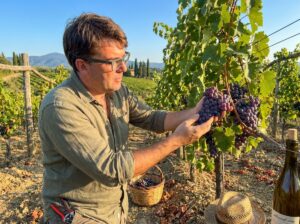
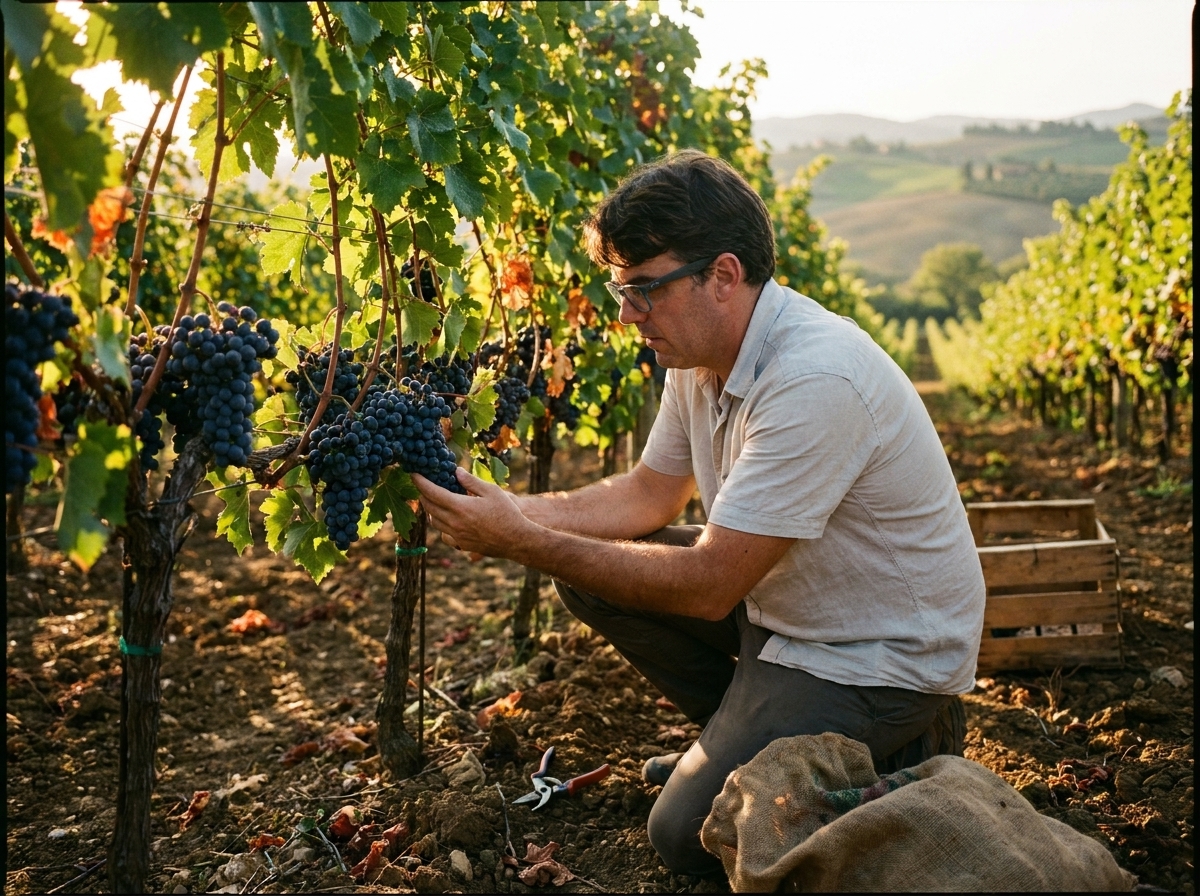
Picture a family-run vineyard in Tuscany. They nurture their vines and handpick grapes to ensure each bottle reflects their dedication. Such wines bring a piece of Italy to your table, offering your guests a taste of authenticity. This approach sets your list apart and aligns with the growing trend for unique, story-driven wines.
Understanding Native Italian Varieties
Italy’s wine heritage includes a wealth of native grape varieties that are waiting to be discovered. From Nebbiolo to Verdicchio, these grapes offer diverse and exciting profiles. Incorporating native varieties can intrigue your guests and encourage them to explore beyond the familiar.
For instance, Etna Rosso from Sicily might not be widely known, but its volcanic soil gives it a distinctive flavor. Native varieties can become conversation starters, adding an educational element to your patrons’ dining experience. Highlighting these grapes on your list can cultivate curiosity and repeat visits.
Importance of Sustainable Wine Practices
Sustainability in wine production reflects respect for the land and future. Many artisanal Italian wineries are leading in sustainable practices. They prioritize organic and biodynamic methods, ensuring their wines are as natural as possible. This commitment resonates with eco-conscious diners, adding value to your offerings.
Consider wines that are hand-harvested and produced with minimal intervention. These practices preserve the natural flavors and integrity of the grapes. By featuring sustainable wines, you not only contribute to environmental health but also attract guests who value ethical consumption. This alignment enhances your brand’s reputation and appeal.
Designing a Restaurant Wine List
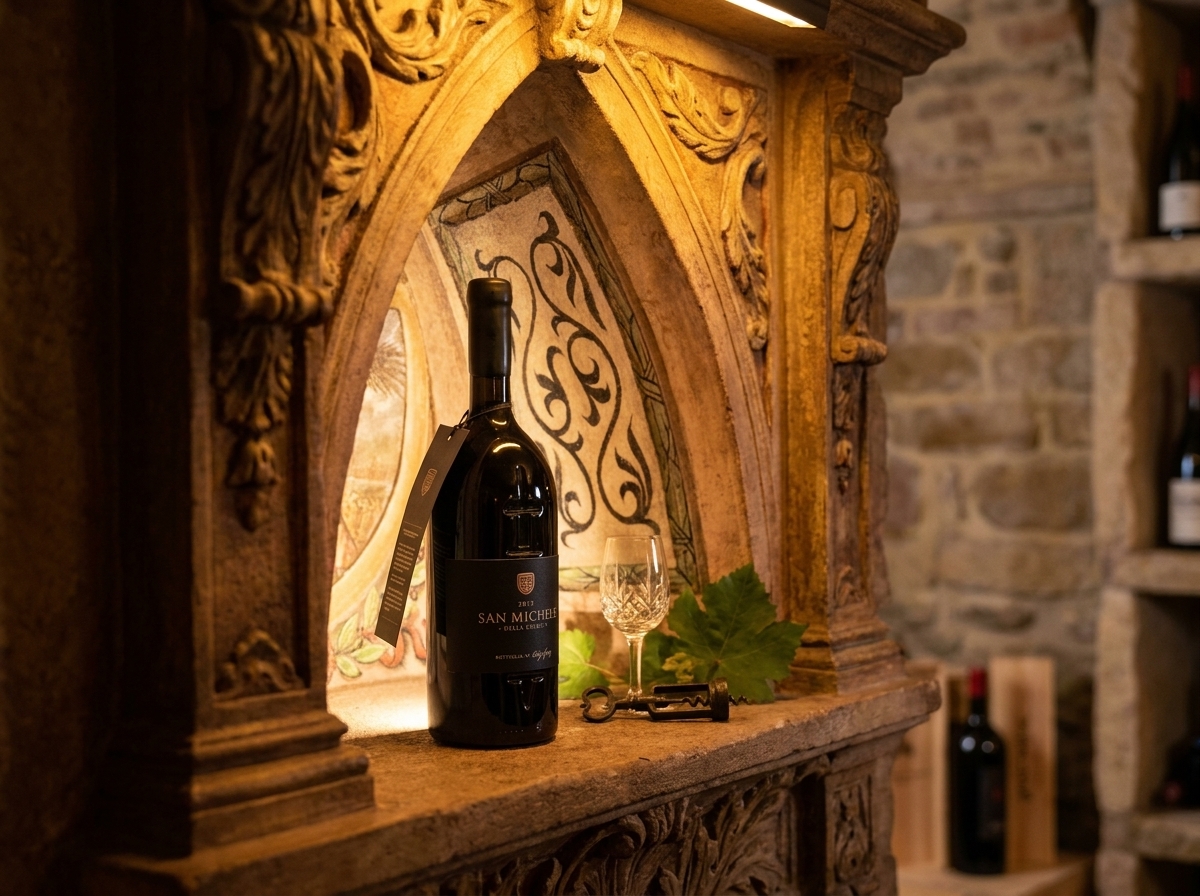
Creating a wine list that stands out requires strategy. It should reflect your restaurant’s identity and offer guests an engaging selection.
Crafting a By-the-Glass Program
A well-curated by-the-glass program invites guests to explore. It allows them to sample different styles without commitment, increasing the chance of finding a favorite. Focus on offering a balance of familiar and adventurous options. Include a dry Lambrusco or a skin contact Italian white to pique interest.
Rotate selections seasonally to match your menu and keep the offerings fresh. Encourage your staff to suggest pairings, enhancing the dining experience. An enticing by-the-glass program can boost sales and customer satisfaction.
Enhancing Wine List Profitability
To increase profitability, consider strategic pricing and selection. Feature a mix of price points to cater to different budgets. Highlight wines with higher margins in a “staff picks” section. This not only directs attention but also suggests quality endorsement.
Incorporate DOCG, DOC, and IGT classifications to assure customers of quality. Train staff to confidently recommend wines, focusing on benefits like unique flavors or sustainable practices. A knowledgeable team can drive sales and encourage guests to try premium options.
Positioning Volcanic and Mountain Wines
Wines from volcanic and mountain regions of Italy offer unique characteristics that can set your list apart. These wines often have a distinct minerality and complexity. Featuring Alto Piemonte Nebbiolo or Etna Rosso can add intrigue.
These regions produce wines with stories of challenging terrains and historical significance. Positioning these on your list can captivate guests and create memorable experiences. Sharing the narrative behind these wines enhances their perceived value.
Engaging Your Audience
A compelling wine list does more than just offer choices; it connects with your audience on a deeper level.
Storytelling and Wine Culture
Every bottle has a story, and sharing these stories can engage and educate your guests. Highlight the winemaker’s passion and the wine’s journey from vine to table. This connection transforms a simple sip into an experience.
Use your menu as a storytelling tool. Brief descriptions about the winemaker or vineyard can spark interest. Encourage your staff to share these tales, creating an atmosphere where wine is more than a drink—it’s a cultural experience.
Food and Wine Pairing Italy
Pairing wines with your menu enhances flavors and elevates the dining experience. Offer suggestions for each dish, showcasing how wine can complement and enhance food. This approach not only guides guests but also increases wine sales.
Feature classic pairings and introduce unexpected combinations. A Verdicchio with seafood or a mountain wine with rich meat dishes can surprise and delight. Thoughtful pairings reflect your expertise and commitment to quality.
Training and Hospitality Beverage Program
Investing in staff training ensures they are confident and knowledgeable. A well-informed team can guide guests through your wine list, offering insights and recommendations. This expertise enhances customer trust and satisfaction.
Implement a hospitality beverage program that focuses on storytelling, pairing suggestions, and wine handling. Regular training sessions keep your team updated and motivated. A skilled staff can transform a meal into a lasting memory, fostering loyalty and repeat business.
In conclusion, your wine list is more than a menu—it’s a reflection of your restaurant’s identity and values. By selecting artisanal Italian wines, you offer guests a unique experience filled with discovery and delight.