Fewer Clusters, Deeper Flavor: Low-Yield Harvesting in Italian Wine
Low-yield harvesting in Italian artisanal wine isn’t just a vineyard choice—it shapes everything you taste. When growers pick fewer clusters by hand, each grape carries more intensity and tells a clearer story of place. For sommeliers and retailers looking to create wine list differentiation, understanding this practice unlocks fresh ways to support small-production Italy while offering guests wines rich in character and texture. Let’s explore how these terroir-driven Italian wines invite deeper connection with every pour. Learn more about how low yield vines result in better wine here.
The Art of Low-Yield Harvesting
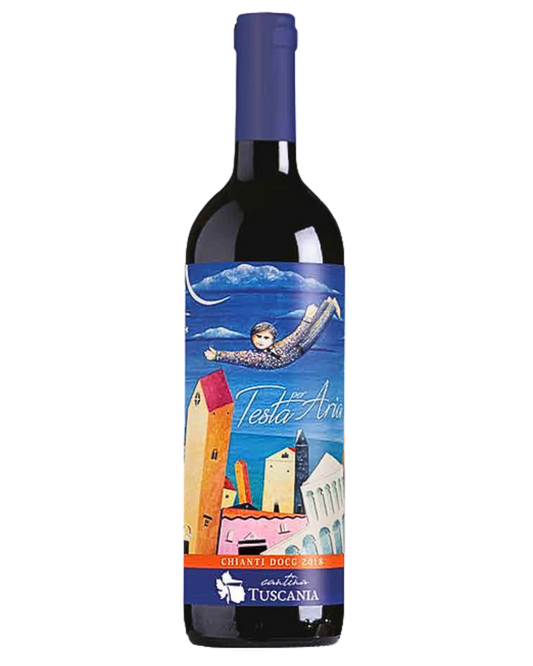
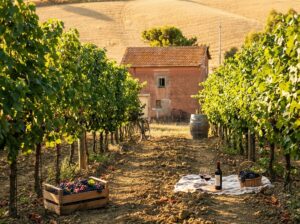
Picture a vineyard where every grape sings with concentrated flavor. This is the magic of low-yield harvesting. It’s a meticulous process where fewer grapes mean richer wines. Each cluster picked tells a tale of dedication and respect for nature. The result? Wines that captivate the palate with intensity and depth.
Concentrated Flavor in Wine
When fewer grapes are harvested, each one is packed with nutrients. This leads to more flavor and aroma per grape. Imagine sipping a glass and tasting layers of ripe fruit, spices, and earth. The secret lies in the vineyard’s careful balance, where quality takes precedence over quantity.
Low-yield harvesting is not just about taste; it’s about preserving the essence of the land. Each bottle becomes a snapshot of the vineyard’s unique climate and soil. This method allows winemakers to craft wines that are true to their origins.
For wine lovers, this means every sip is an adventure. You discover new notes and nuances, making each glass a memorable experience. Learn more about the impact of vineyard yields on wine quality here.
Terroir-Driven Italian Wines
Italy’s diverse landscapes offer a treasure trove of wine experiences. From the volcanic soils of Sicily to the rolling hills of Tuscany, each region has its signature. Low-yield practices amplify these regional characteristics, resulting in wines that are as varied as they are exquisite.
Italian wines are all about expressing their terroir. They connect you to a specific place and moment in time. Low-yield harvesting enhances this connection, allowing the natural qualities of the vineyard to shine through. It’s like having a little piece of Italy in your glass.
These wines aren’t just for special occasions. They invite exploration and are perfect companions for meals, sparking conversations and creating memories. This approach supports small producers and celebrates Italy’s rich winemaking traditions. For insights on climate impacts on wine, check out this article.
Flavor Profiles of Key Italian Regions
Now, let’s journey through Italy’s wine regions, each offering unique flavors shaped by their terroir.
Etna Red Wine and Its Story
On the slopes of Mount Etna, vineyards produce bold, red wines. The volcanic soil adds a smoky, mineral character that’s unmistakable. Every bottle tells a story of resilience, crafted from vines that thrive amidst lava and ash.
Etna reds are known for their vibrant acidity and earthy notes. They pair beautifully with rich dishes, enhancing the dining experience. Imagine a glass of Etna wine alongside a hearty ragu, each sip balancing the dish perfectly.
The winemakers here embrace low-yield techniques, focusing on quality over quantity. This results in wines bursting with character and a true expression of Etna’s unique terroir. Discover more about Etna’s winemaking here.
Verdicchio Texture and Expression
Verdicchio, with its crisp and refreshing profile, hails from the Marche region. Known for its bright acidity and subtle almond notes, it’s a white wine that surprises and delights. Low-yield harvesting ensures that each sip is a burst of flavor.
The texture of Verdicchio is its hallmark. It’s both creamy and zesty, making it versatile for various pairings. Enjoy it with seafood or a light salad, and notice how it enhances the flavors.
Crafted with care, Verdicchio wines reflect the landscape and climate of Marche. They are a testament to the winemakers’ dedication to preserving the integrity of their land. For more on the science behind wine texture, visit this link.
Crafting a Curated Wine List
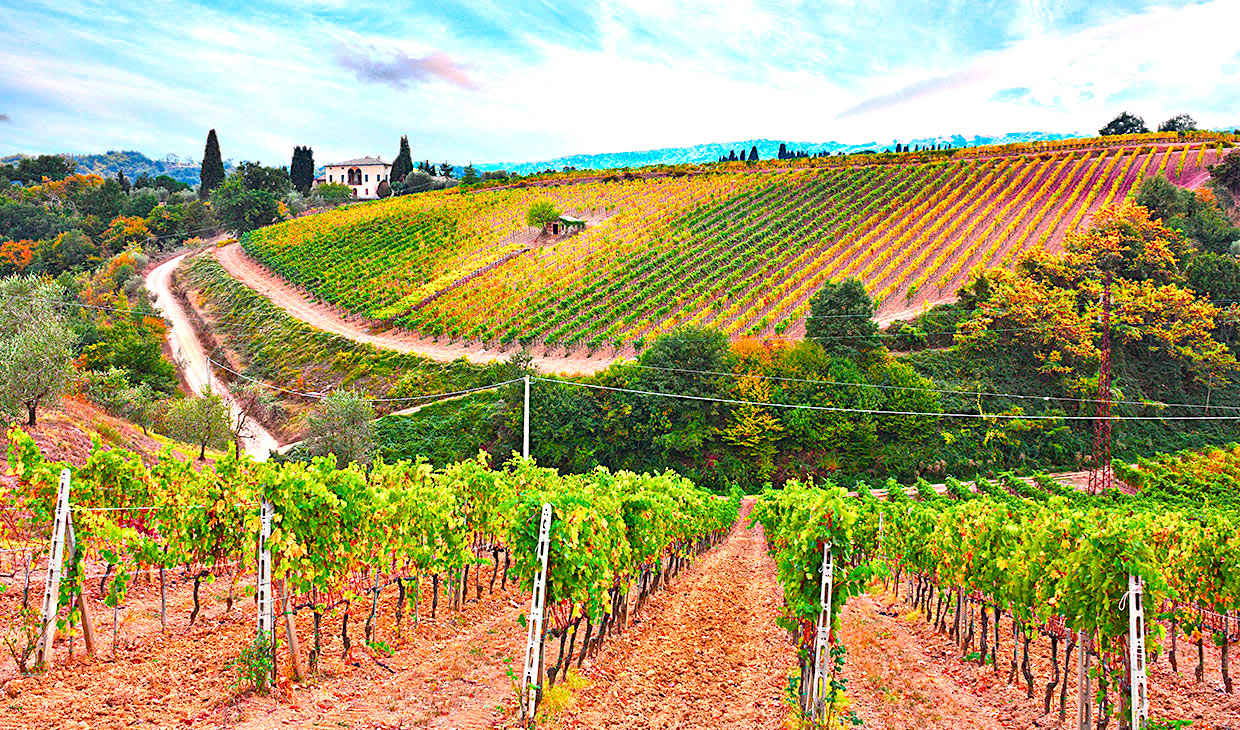
Creating a wine list that stands out requires insight and strategy. It’s about more than just selecting wines; it’s about telling a story.
Wine List Differentiation Tactics
A well-curated wine list can set your establishment apart. Focus on diversity, offering wines that are not only delicious but also intriguing. Highlighting low-yield, terroir-driven wines from Italy can be your signature move.
Educate your staff on the stories behind each wine. When they share these tales with guests, it transforms the dining experience. Remember, a unique wine list invites patrons to explore and return for more.
Consider featuring wines from lesser-known regions or small producers. These choices not only support artisans but also intrigue customers looking for something different. Here’s an article on the significance of small-production wines here.
Supporting Family-Owned Italian Wineries
By choosing family-owned wineries, you’re investing in tradition and quality. These producers pour their hearts into every bottle, ensuring that each wine is a true reflection of their heritage.
Family-run vineyards often employ sustainable practices, focusing on the land’s long-term health. Supporting them means you’re championing environmental responsibility and artisanal craftsmanship.
When you feature their wines, you’re not just offering a drink; you’re sharing a piece of their story. This connection enriches your guests’ experience, making it more than just a meal but a journey into the heart of Italian winemaking.
In summary, low-yield harvesting in Italian wines offers a gateway to flavors and stories that captivate and inspire. By integrating these wines into your offerings, you not only enrich your list but also join a movement that values craftsmanship and sustainability.