How to Choose Artisanal Italian Wines for a 2026 Restaurant List
Most restaurant wine lists still rely on the usual suspects. Meanwhile, your guests crave something authentic, with roots and stories that linger long after the meal ends. Choosing artisanal Italian wine for your restaurant wine list 2026 isn’t about ticking boxes—it’s about crafting a portfolio that signals taste, supports sustainable vineyards, and keeps your bottom line intact. Let’s get into how to build that kind of list.
Curating Artisanal Italian Wines
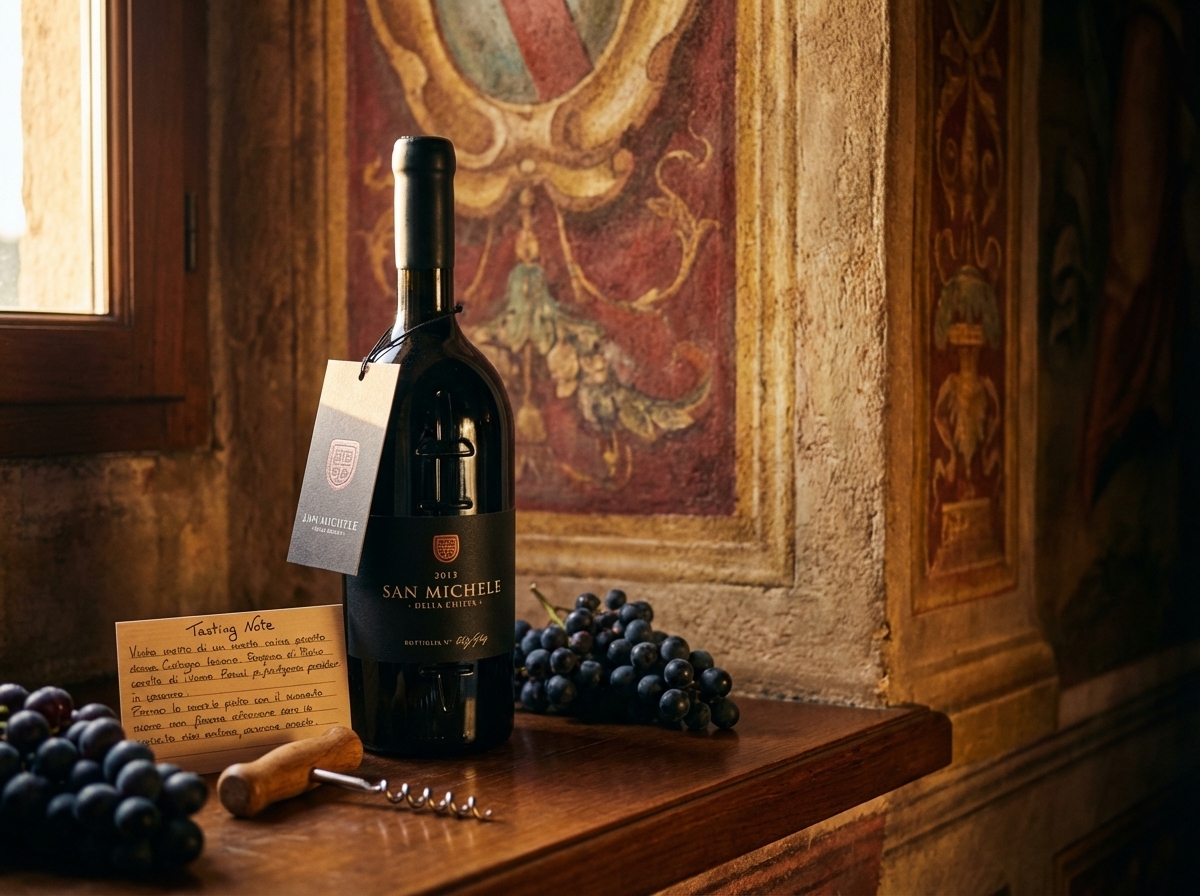
Crafting a wine list that speaks to your guests begins with understanding the unique qualities of artisanal Italian wines. These wines bring stories and rich heritage, offering more than just a taste.
Regional Balance and Indigenous Varieties
Imagine a wine list that takes your guests on a journey through Italy. Each region has its own grape varieties and traditions. Embrace this diversity. Offer wines from regions like Piedmont with its Nebbiolo, or Sicily with its Nero d’Avola. These indigenous grapes offer tastes unique to their terrains.
Pairing regional wines with matching cuisine enhances the guest experience. Think of the delight when a wine’s flavor complements a dish perfectly. It’s not just about variety; it’s about creating a symphony of taste. Your guests will notice this thoughtfulness, and it will set your list apart from others.
Clean Farming and Sustainability
Consumers today care about how their wines are made. Highlight wines from vineyards that practice sustainable farming. These wines are not only better for the planet but often taste purer and more distinct.
Look for labels that indicate organic or biodynamic practices. These indicate a commitment to clean farming. This choice not only attracts eco-conscious guests but also tells a story of respect for the land. Offering such wines shows your dedication to quality and sustainability.
Vintage Windows and Selection
Selecting the right vintages is crucial. Certain years are legendary, offering wines that mature beautifully. Knowing when a wine is at its peak can transform a good meal into a memorable experience.
Consider offering a range of vintages. A well-aged Barolo can offer depth, while a fresh Vermentino might bring a crisp, lively note. This balance caters to diverse tastes and elevates your wine program. With the right selection, your list becomes a conversation piece, drawing guests eager to explore.
Crafting a Memorable Wine List
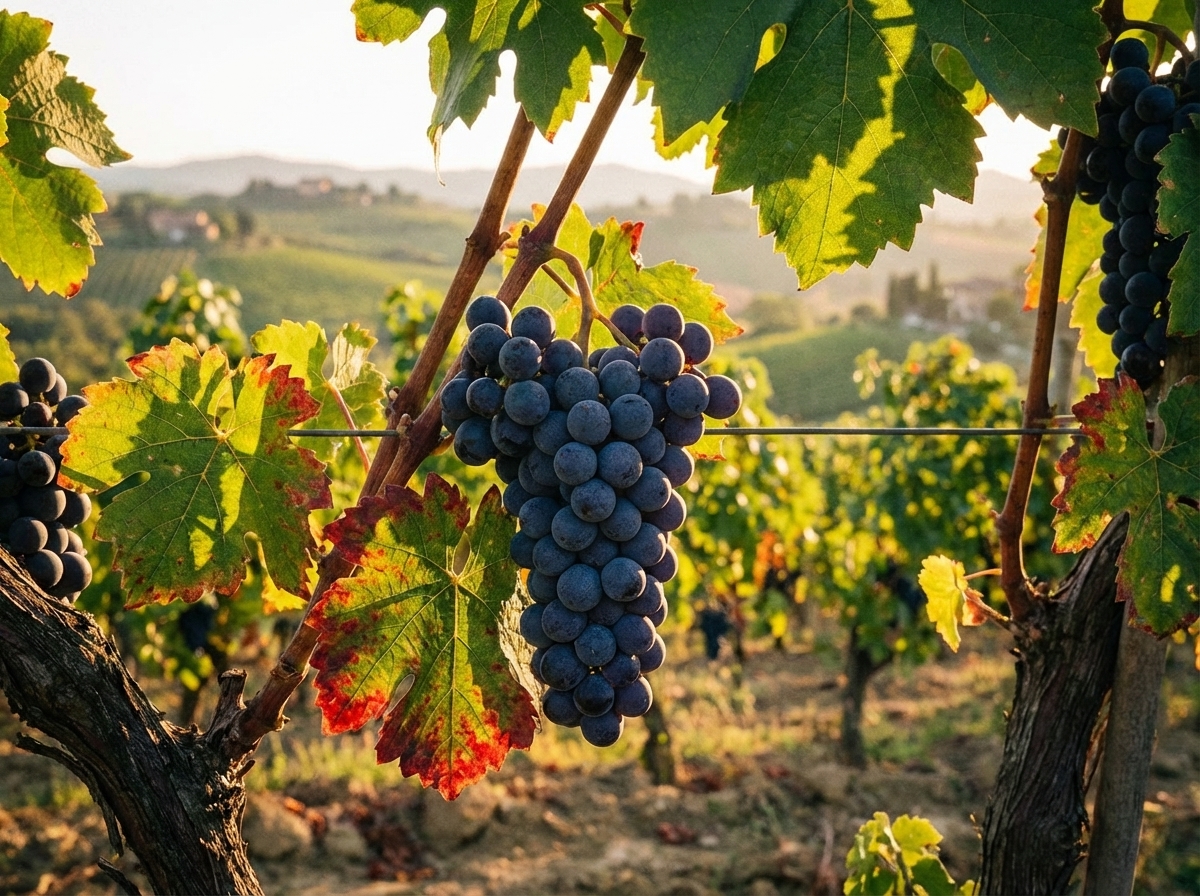
A great wine list does more than offer options. It invites exploration and discovery. Let’s delve into strategies that make your list unforgettable.
By-The-Glass Strategy
Offering wines by the glass allows guests to sample and savor different selections. This approach encourages experimentation. Imagine a guest trying a glass of Montepulciano, falling in love, and then purchasing a bottle to share.
Rotate your by-the-glass options frequently. This keeps the list fresh and exciting. Highlight lesser-known varietals or regions, sparking curiosity. Guests appreciate the chance to explore without committing to a full bottle.
Pricing Architecture for Profitability
Pricing isn’t just about margins; it’s a strategic tool. A well-structured price list guides guests through their choices. Consider tiered pricing to offer something for every budget, from approachable options to splurge-worthy selections.
Use pricing to highlight value. A mid-range wine that over-delivers on quality can become a guest favorite. This strategy not only boosts sales but also enhances guest satisfaction, turning casual visitors into loyal patrons.
Storytelling Through Selection
Every wine has a story, and sharing these narratives enriches the dining experience. Highlight the winemaker’s journey, the vineyard’s history, or the grape’s unique characteristics.
Train your staff to share these stories. When guests learn about the wine’s background, they connect with it on a personal level. This connection transforms a simple sip into a memorable moment. It’s not just wine; it’s an experience.
Enriching Staff and Guest Experience
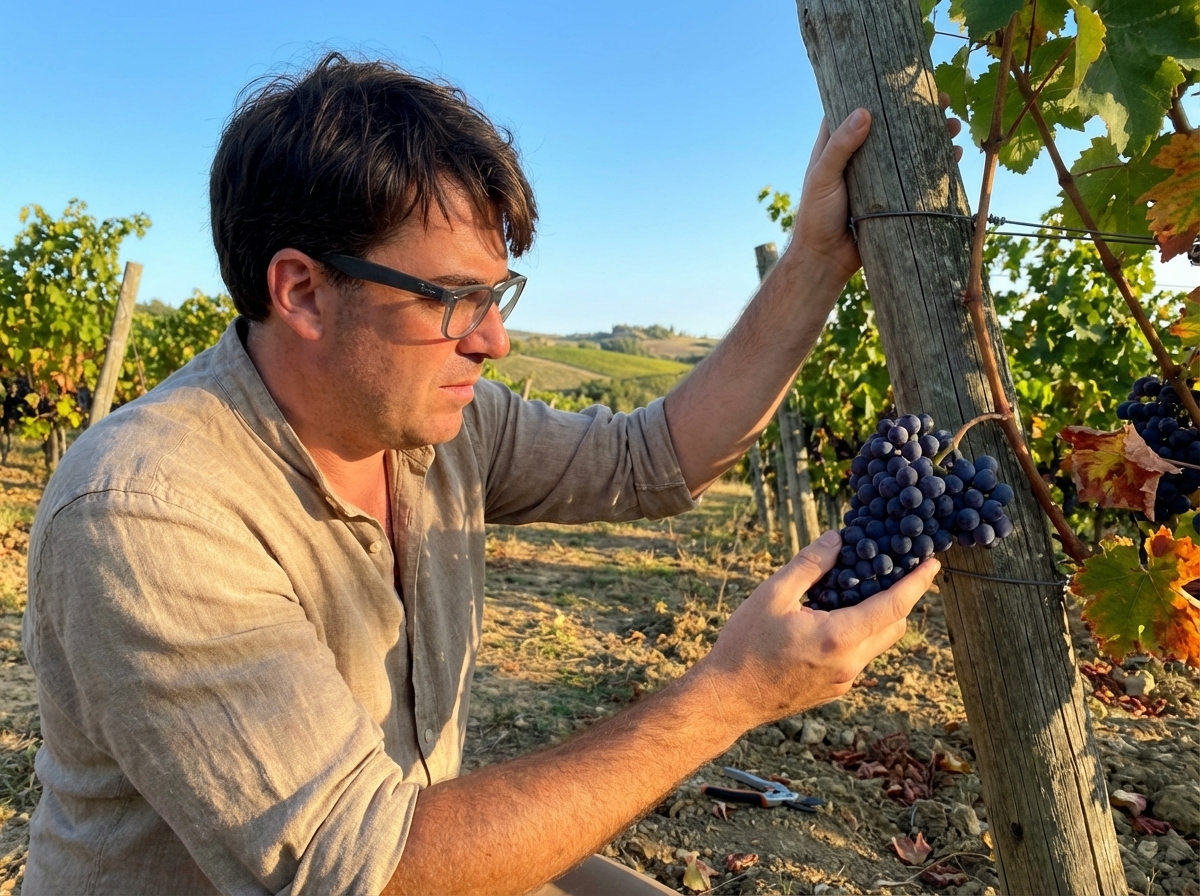
Your staff and guests are the heart of your wine program. Investing in their experience enhances your entire establishment.
Staff Training for Authentic Knowledge
Your staff are your ambassadors. Equip them with the knowledge to speak confidently about your wine selections. Host regular training sessions where they can taste and learn about new offerings.
Knowledgeable staff can guide guests through your list, making thoughtful recommendations. This not only boosts sales but also builds trust with your guests. They will appreciate the informed guidance and return for more.
Engaging Guest with Wine Culture
Create an environment where wine culture flourishes. Host events like wine tastings or pairing dinners. These experiences invite guests to immerse themselves in the world of wine.
Encourage conversations about wine at the table. When guests share their thoughts and preferences, it creates a sense of community. This engagement enriches their visit, making it more than just a meal.
Hosting Portfolio Tastings and Audits
Regularly review your wine list to ensure it aligns with guest preferences and market trends. Conduct portfolio tastings with your team to assess and refine your selections.
Invite feedback from both staff and guests. This practice not only keeps your list dynamic but also involves everyone in the process. It’s a collaborative approach that ensures your offerings remain relevant and exciting.
In conclusion, a thoughtfully curated wine list can transform your restaurant’s offerings. By focusing on artisanal Italian wines, you not only enhance your guests’ experience but also support sustainable practices. Your wine list becomes a reflection of your commitment to quality, culture, and community.